&geometry(132x120) "Lithgow Veterinary Hospital")


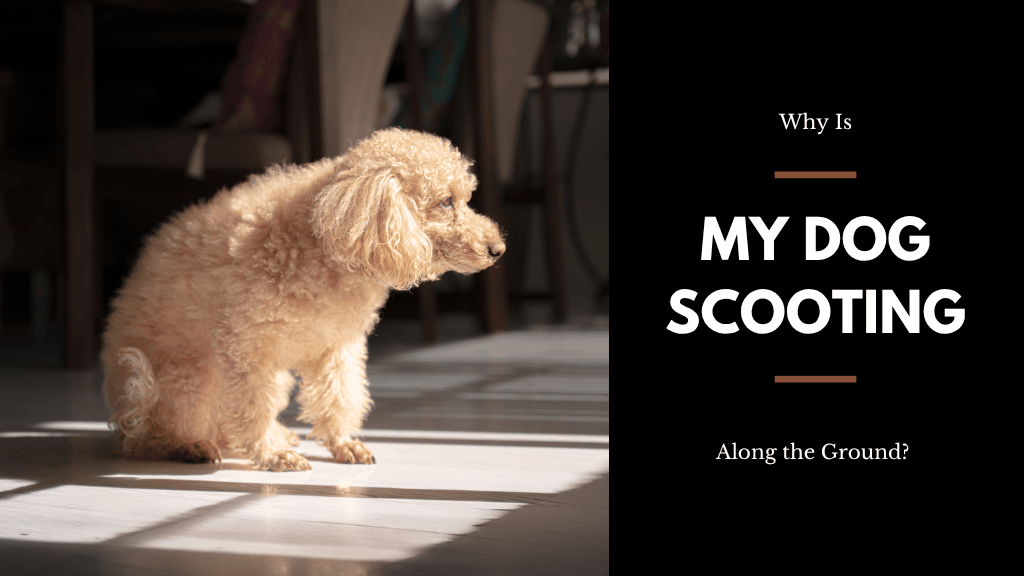
Why Is My Dog Scooting on the Ground?
 "Why Is My Dog Scooting on the Ground?")
If your dog is dragging their bottom across the carpet, grass or tiles, it’s usually a sign that something is irritating that area. At Lithgow Veterinary Hospital, one of the most common causes we see is issues with the anal glands, although allergies, worms, skin irritation and hygiene problems can also play a role.
It might look amusing, but it often signals discomfort
Scooting can sometimes seem like a quirky or harmless behaviour. In reality, it is often your dog’s way of telling you that something feels itchy, sore or uncomfortable around their back end. While anal gland irritation is the most frequent cause, it’s not the only possibility.
The most common reasons dogs scoot
1. Full or irritated anal glands
Dogs have two small glands located just inside the anus. These glands normally empty naturally when your dog passes a firm stool. If they don’t empty properly, they can become full, inflamed, impacted or even infected. This pressure can lead your dog to scoot in an attempt to relieve discomfort. A strong fishy smell, licking the area, or discomfort after toileting can all indicate anal gland issues.
2. Worms or other parasites
Scooting is often linked to worms, but this is not always the case. Parasites can irritate the rear end, particularly if your dog is overdue for treatment or showing digestive changes, so they are still worth considering.
3. Allergies or itchy skin
Dogs with allergies may become itchy around their rear as well as other parts of the body. Flea allergies, food sensitivities and environmental triggers can all lead to licking, chewing and scooting behaviours.
4. Hygiene or grooming issues
Sometimes the cause is relatively simple. Dogs with longer coats can have faeces caught in the fur or develop matting around the back end, which can irritate the skin and trigger scooting.
5. Less common but more serious conditions
In some cases, scooting can be associated with infections, abscesses, growths or other painful conditions near the anus. While less common, this is why repeated scooting should not be ignored.
How can I tell if it is likely the anal glands?
Anal glands may be the cause if your dog is also showing signs such as:
- licking or chewing at the back end
- a strong fishy odour
- discomfort when sitting
- swelling near the anus
- straining or appearing uncomfortable when passing stool
- Repeated scooting rather than a one-off occurrence
Soft or inconsistent stools can increase the risk, as the glands may not empty effectively during bowel movements.
Should I worry if my dog scoots once?
A single scoot is not always a cause for concern. Dogs may occasionally do this after toileting if something feels unusual. However, if it becomes frequent or your dog appears sore, smelly, swollen or unsettled, it’s best to have them checked. Ongoing scooting can indicate impacted or infected glands, which can worsen over time.
What can I do at home?
You can start with a few simple checks:
- Look for anything stuck to the fur around the back end
- Keep the area clean and tidy
- Ensure your dog is up to date with flea and worm prevention
- Monitor stools for looseness, mucus or straining
- Arrange a vet visit if scooting continues
It’s generally not recommended to try expressing anal glands yourself unless you’ve been properly trained. If there is pain, swelling or straining, a veterinary assessment is important, and repeated or incorrect expression can sometimes cause further irritation.
When should I book a vet appointment?
Book a check-up sooner rather than later if your dog:
- continues scooting
- is frequently licking the area
- has a strong fishy smell
- appears uncomfortable or unsettled
- has swelling, discharge or bleeding
- is straining to pass stool
- has diarrhoea or ongoing digestive issues
Your vet can determine whether the cause is anal glands, parasites, allergies, skin irritation or another condition, and provide the appropriate treatment.
Can scooting be prevented?
Not all cases can be prevented, but you can reduce the risk by:
- keeping parasite prevention up to date
- managing allergies early
- maintaining a clean and well-groomed coat
- supporting good digestive health and firm stools
- having recurring scooting checked promptly
For dogs with ongoing anal gland issues, your vet may discuss diet, stool consistency and longer-term management options.
When in doubt, let us take a look
Scooting might seem minor, but it can be quite uncomfortable for your dog. If your dog is dragging their bottom, licking excessively, or you notice that distinctive fishy smell, it’s worth having them examined.
Lithgow Veterinary Hospital can help identify the cause and get your dog feeling comfortable again. Book an appointment if the scooting is ongoing, getting worse, or simply doesn’t seem right.
FAQs
Why is my dog scooting on the floor but acting normal?
Dogs can still appear bright and happy even when experiencing mild discomfort from anal gland issues, skin irritation or parasites. If scooting happens more than once or twice, it’s best to have it checked.
Does scooting always mean worms?
No. While worms can be a cause, anal gland issues are more commonly linked to scooting. Allergies, skin irritation and grooming concerns can also contribute.
What do full anal glands look like in dogs?
There may not always be visible changes, but common signs include scooting, licking the area, a fishy smell, discomfort when sitting, or swelling near the anus.
Can I express my dog’s anal glands at home?
It’s usually safer to have your vet assess the issue first, particularly if your dog is uncomfortable or inflamed. Incorrect or repeated expression can worsen irritation.
When is dog scooting an emergency?
Seek urgent veterinary care if you notice bleeding, significant swelling, severe pain, discharge, difficulty passing stools, or if your dog seems very distressed. These may indicate infection, abscesses or other serious conditions.
| Tags:DogHealth AdvicePet Behaviour |