&geometry(132x120) "Lithgow Veterinary Hospital")


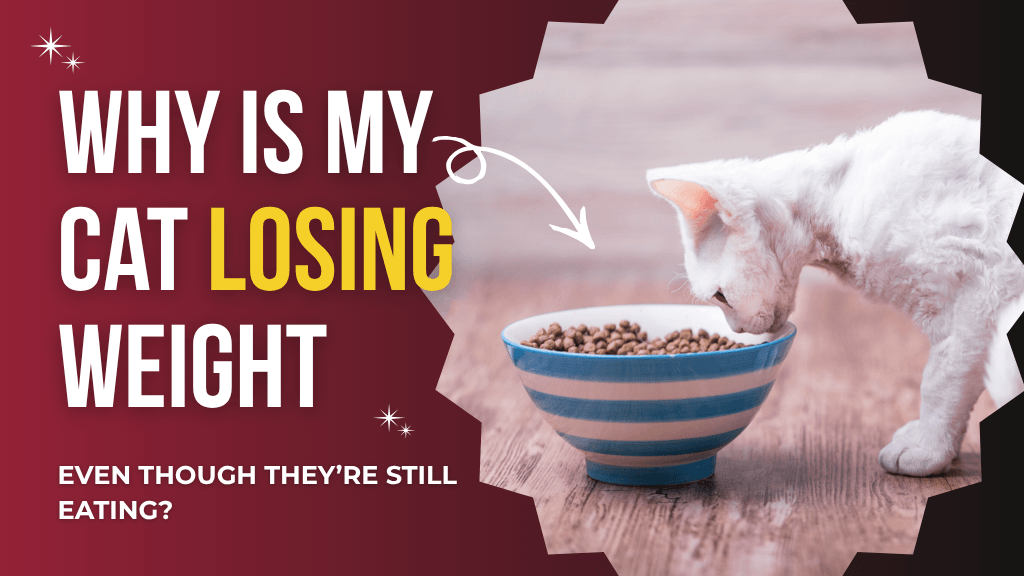
Why Is My Cat Losing Weight Even Though They’re Still Eating?
 "Why Is My Cat Losing Weight Even Though They’re Still Eating?")
As cat owners, it can be confusing and worrying to see your cat steadily losing weight while still eating normally. Many pet parents assume that if a cat still has a healthy appetite, everything must be fine, but unexplained weight loss is often one of the earliest signs that something may be wrong.
At Lithgow Veterinary Hospital, we commonly see cats who appear hungry and active but are quietly developing underlying health conditions. Cats are experts at hiding illness, which means even subtle weight loss should never be ignored.
Is Weight Loss Ever Normal in Cats?
In most cases, no.
While senior cats may naturally lose a small amount of muscle as they age, noticeable or ongoing weight loss is usually considered a warning sign, especially if your cat continues eating well.
Because cats instinctively hide weakness, weight loss is often one of the first visible clues that their body is struggling internally.
Why Monitoring Weight at Home Matters
Many owners don’t notice gradual weight changes because they see their cat every day. Regular home weighing can help you detect subtle changes early.
How to Weigh Your Cat at Home
A simple bathroom scale works well:
- Hold your cat and step onto the scale
- Record the combined weight
- Weigh yourself separately
- Subtract your weight from the total
Even a small drop of 200-300 grams over a short period can be significant in cats and should be checked by a veterinarian.
Common Reasons Cats Lose Weight Despite Eating
1. Hyperthyroidism
This is one of the most common causes of weight loss in older cats. An overactive thyroid speeds up the body’s metabolism dramatically.
Signs may include:
- Increased appetite
- Restlessness
- Excessive vocalisation
- Weight loss despite eating
2. Diabetes
Cats can develop diabetes just like humans. Their body struggles to use sugar properly for energy, leading to muscle and fat loss.
Common signs include:
- Drinking more water
- Increased urination
- Ongoing hunger
- Weight loss
3. Chronic Kidney Disease
Kidney disease is very common in senior cats. Early stages may cause gradual weight loss before other symptoms become obvious.
Watch for:
- Increased thirst
- Poor coat quality
- Changes in urination
- Reduced muscle mass
4. Digestive Disorders
Conditions affecting the stomach or intestines can stop nutrients from being absorbed properly.
Possible symptoms:
- Vomiting
- Diarrhoea
- Thin body condition
- Poor weight maintenance
5. Intestinal Worms
Parasites can steal nutrients directly from your cat’s digestive tract, even in indoor cats.
Signs can include:
- Weight loss
- Pot-bellied appearance
- Visible worm segments in stool
Dental Disease Can Also Play a Role
Many cats continue eating even when they have painful dental problems. Broken teeth, gum disease, or mouth inflammation may affect how they chew and digest food, contributing to gradual weight loss over time.
How Can You Tell If Your Cat Is Too Thin?
A simple way to assess body condition is the “hand test.”
- Healthy weight: Ribs feel similar to the back of your hand, easy to feel with light padding
- Underweight: Ribs and spine feel sharp like knuckles
If your cat’s bones are becoming more visible or prominent, it’s time to arrange a veterinary check-up.
What to Track Before Your Vet Visit
Keeping notes at home can help your veterinarian greatly.
Monitor:
- Water intake
- Litter tray habits
- Vomiting or diarrhoea
- Behaviour changes
- Appetite levels
- Recent food changes
Why Early Veterinary Care Matters
Weight loss should never be treated by simply feeding more food without understanding the cause. Many underlying conditions require medical treatment, dietary adjustments, or ongoing management.
At Lithgow Veterinary Hospital, we may recommend:
- Physical examinations
- Blood testing
- Urine testing
- Dental assessments
- Senior health screenings
The good news is that many conditions causing weight loss can be successfully managed when identified early.
Supporting Lithgow Cats to Stay Healthy
If your cat has been losing weight despite maintaining a healthy appetite, don’t wait for more serious symptoms to appear. Early diagnosis often leads to simpler treatment and better long-term outcomes.
Our team is here to help keep your feline family members healthy, comfortable, and thriving for years to come.
| Tags:CatHealth AdvicePet Behaviour |