&geometry(132x120) "Lithgow Veterinary Hospital")


What to Consider Before Hiding Dog Medications in Food
 "What to Consider Before Hiding Dog Medications in Food")
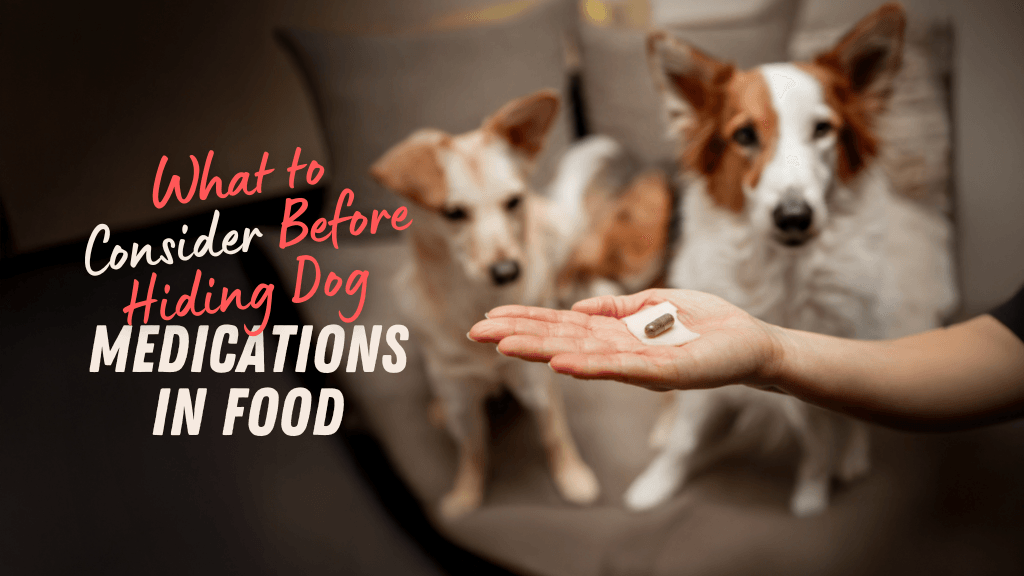
Getting a dog to take a tablet is not always easy. Many owners turn to creative tricks wrapping a pill in chicken, tucking it into cheese, or mixing it into their dog’s dinner. While this can work well, it’s important to remember that not every medication is safe to give with food, and not all foods are suitable for dogs. Some ingredients can interfere with how a drug works or even cause a reaction.
Here’s what to keep in mind before slipping medication into your dog’s next treat.
1. Speak to Your Vet Before Using Food
Before hiding any medication, check with your vet. Some tablets need to be taken on an empty stomach, while others work better when given with food. The timing and type of food you use can affect how well the medication is absorbed.
Your vet can advise you on:
- Whether the dose needs food or should be given alone
- Which types of food are safe to use
- Whether the tablet can be broken, crushed, or must stay whole
Even foods that seem harmless may change how the medication behaves in your dog’s system. Getting guidance first helps ensure the treatment works properly.
2. Not Every Food Is Safe for Dogs
While it’s tempting to grab whatever is in the fridge, some foods are dangerous for dogs and should never be used to hide medication.
Avoid using:
- Grapes or raisins: toxic even in tiny amounts
- Chocolate: contains harmful stimulants
- Onions, garlic, or chives can damage red blood cells
- Peanut butter with xylitol: extremely poisonous to dogs
- Salty or fatty meats like bacon can trigger stomach issues or pancreatitis
If you use soft cheese or peanut butter, always check the label. Plain cooked chicken or a small amount of dog-safe paste can work, but check with your vet first.
3. Understand How the Medication Interacts With Food
Different types of medication respond to food in different ways:
- Some antibiotics may not absorb properly if given with dairy
- Slow-release tablets should never be crushed or mixed into wet food
- Fat-soluble medications may need a small amount of fat for proper absorption
Giving medication with the wrong food can reduce effectiveness or cause side effects. When in doubt, ask your vet or pharmacist how the medication should be given.
4. Watch Out for Food-Drug Interactions
Certain foods can change how quickly or efficiently a medication works:
- High-calcium foods can interfere with absorption
- Fatty treats can alter how extended-release drugs break down
- Acidic foods may affect medications that rely on a stable stomach pH
Even small dietary changes can impact your dog’s treatment. Stick to the instructions you’ve been given and avoid switching foods during a course of medication unless your vet approves it.
5. Try Other Methods if Food Isn’t Working
If your dog is too clever at spotting pills, there are alternatives:
- Pill-hiding treats designed specifically for medication
- Compounded versions of the medication in liquid or flavoured form
- Hands-on administration, taught by your vet, followed by a reward
Your vet can recommend the easiest and safest method based on your dog’s behaviour and the type of medication.
6. Tips to Make Medication Time Easier
- Offer a plain treat first, then the medicated one, followed by another plain treat
- Keep the atmosphere calm, and confidence helps your dog stay relaxed
- Watch closely afterward to ensure the pill wasn’t spat out
Some dogs are experts at hiding tablets in their cheek, so a quick check is always useful.
7. When to Contact Your Vet
If your dog vomits, refuses food, seems uncomfortable, or reacts badly after taking medication with food, call your vet straight away. They may change the instructions or offer a different formulation.
Key Takeaway
Hiding medication in food can make life easier, but it’s not always the safest option. Some foods are toxic to dogs, and others can interfere with how medication is absorbed. Checking with your vet ensures your dog gets the full benefit of their treatment while staying safe and comfortable.
| Tags:DogClient InformationHealth Advice |